


Understanding Genomics in Cancer Treatment
A major factor shaping the way oncologists treat cancer is genomics – the study of DNA sequencing and how it transfers information. Just as letters make up words that the human brain then translates into meaning, DNA possesses genomic information that the body’s cells and tissues translate and interpret into proteins, which control the function of cells in our body to determine organ function.
With cancer cells, small changes in a person’s cells can change the genomic sentence causing the cell to create errors in the amino acid sequence of proteins. This can sometimes cause rapid cell growth or damage to neighboring cells. The study of these cancer genomes helps oncologists better understand a cancer’s blueprint and develop effective cancer treatments.
Scientists use genomics to identify the specific genetic mutations that cause cells to become cancerous. This provides a framework for physicians to treat and prevent tumor growth more effectively. By using a patient’s unique “tumor blueprint,” doctors can prescribe precise therapies tailored to the individual’s biology. This targeted approach saves time and money by avoiding standard treatments that would likely be ineffective.
Advantages of genomics in cancer treatment
Genomic testing offers many benefits to physicians, patients and their families. This testing enables physicians to treat patients based on specific cancer-causing signal transduction pathways, which can vary among patients. The test examines more than 20,000 genes in the tumor simultaneously, analyzing all aspects of gene expression to generate a molecular profile.
This use of genomics enables patient-specific treatment and helps physicians become more familiar with each patient. As a result, patients know they are receiving treatment based on the science of gene expression profiling, personalized medicine and individualized cancer care rather than drugs broadly marketed by big pharmaceutical companies that do not look at the blueprint of the patient’s tumor.
Another benefit of personalized cancer treatment is its cost. Without the insights provided by genomic testing, physicians would have to try multiple treatments before finding the most effective cancer cure. This leads to costly tests and treatments that may not benefit the patient. Testing enables physicians to eliminate unsuccessful treatments and avoid dangerous side effects. Using molecularly targeted therapies selected based on the gene expression profile of an individual patient’s tumor blueprint allows a better quality of life while receiving more effective treatment targeting the signal transduction pathways used by an individual’s cancer to divide and grow, invade other tissues or organs and inhibit blood vessels growing to the cancer cells.
Genomic testing is also helping oncologists during treatment. During the course of treatment, gene targets may change, leaving the current treatment unsuccessful. With genomic testing, oncologists can continuously monitor and adjust drug treatments in response to specific changes in the patient’s body. Patients can now begin down the path of recovery without losing precious and life-saving time.
After the testing has been completed and the physician understands the specific type of cancer they are dealing with, treatment begins.
Types of cancer treatment
There are primarily three types of cancer treatment:
- Cytotoxic chemotherapy
- Molecularly-targeted therapy
- Biologic or immunotherapy
Cytotoxic chemotherapy
Cytotoxic chemotherapy is an aggressive approach to fighting cancer. The National Foundation for Cancer Research refers to it as “an atomic bomb, destroying everything in its path with the hopes of wiping out the cancer cells.” The downside of this treatment is that it will not stop the spread of cancer cells that may have survived the therapy.
Molecularly-targeted therapy
Molecularly targeted therapies use genomic insights to directly target mutated cancer genes. Targeted cancer therapies destroy cancer cells by targeting specific proteins within them and often sparing normal cells. However, if the cancer cells become resistant, next-generation sequencing will be required to identify the mutation driving resistance. The current therapy will need to be replaced with a drug that targets the mutation, since the current molecularly targeted therapy will no longer interact with the protein in the dividing cancer cells.
Biologic or immunotherapy
Immunotherapy works by activating the patient’s own immune system to recognize and destroy cancer cells. Specifically, it blocks “inhibitory molecules” that tumors use to hide from the immune system. By removing these brakes, the body can successfully launch an immune-mediated attack on the tumor.
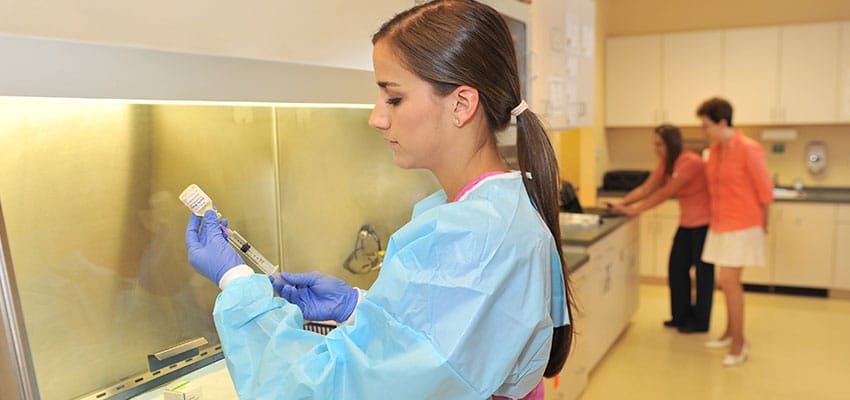
Biologic and immunotherapy treatments are commonly administered via IV infusion. This form of treatment delivers cancer-fighting medications directly into the bloodstream through an IV. This method is fast-acting and allows for precise dosing. Because these treatments are administered in a clinical setting, healthcare professionals can monitor patients in real-time to ensure their safety and comfort.
Personalized cancer treatment in Raleigh, NC
Personalized Hematology/Oncology of Wake Forest is one of the few private practices in the Triangle that specializes in genomics in cancer treatment.
We leverage genomic science to deliver optimal, safe and cost-effective chemotherapy, molecularly targeted therapies, and biologic or immunotherapies, while ensuring that adult cancer patients are neither under-treated nor over-treated. Our oncologist is known for his expertise in chemotherapy, molecularly targeted therapies and biologic therapies, while managing patients’ side effects and closely monitoring therapeutic responses. Our practice collaborates with private community practices and cancer centers to translate the latest cancer research into a therapy customized for each patient.
We also understand that cancer treatment can be emotionally and physically draining for patients and their families. Therefore, the center offers a comfortable setting for patients to receive treatment. Our nurturing staff is dedicated to providing a warm environment for patients during this wearisome time.
To find out more about genomic-based cancer treatment and if it is right for you or your loved one, contact our office to schedule a consultation with our oncologist.