


Get the Facts on Blood Cancer
Are you aware of the latest blood cancer facts and figures? Every three minutes, a person in the United States is diagnosed with a blood cancer – such as leukemia, lymphoma and myeloma. This accounts for nearly 10% of all new cancer cases in this country each year. This means approximately 192,000 people will be diagnosed with blood cancer this year.
Fortunately, survival rates have significantly improved in the last 25 years. Years of research have led to significantly improved outcomes for people diagnosed with blood cancers.
According to the National Cancer Institute, 68% of people with leukemia live five years or longer. That rate rises to 74% for non-Hodgkin lymphoma and 89% for Hodgkin lymphoma. The five-year survival rate for myeloma has also improved dramatically to approximately 61%.
Education and awareness are the first steps toward effective treatments and cures for blood cancer. Learn more with these blood cancer facts:
What is blood cancer?
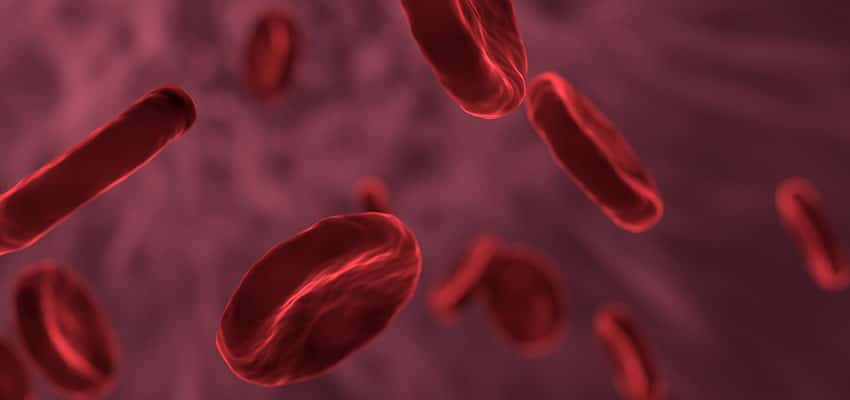
Blood cancer, also called hematologic cancer, affects the production and function of blood cells. Most blood cancers start in the bone marrow, where blood is produced. Bone marrow produces three types of blood cells: red blood cells, white blood cells and platelets. Blood cancer happens when abnormal blood cells start to grow out of control. These abnormal blood cells, or cancerous cells, interfere with normal blood cell functions, such as fighting off infections and preventing severe bleeding.
Three main types of blood cancers
Leukemia
Leukemia is a type of cancer found in the blood and bone marrow. It is caused by the rapid production of abnormal white blood cells. The large numbers of abnormal white blood cells are unable to fight off infection. They also impair the ability of the bone marrow to produce red blood cells and platelets.
Lymphoma
Lymphoma is a type of blood cancer that affects the lymphatic system, which is tasked with removing excess fluids from the body and producing immune cells. Lymphocytes are white blood cells that fight off infection. When abnormal lymphocytes are created, they become lymphoma cells. These lymphoma cells multiply and accumulate in the lymph nodes and other tissues, impairing your immune system over time.
Myeloma
Myeloma is a type of blood cancer found in plasma cells, or white blood cells that produce antibodies to fight disease and infection. These cells stop normal antibody production, leaving the immune system weak and highly susceptible to infection.
What are the symptoms of blood cancer?
There are no effective early screening options for blood cancers. Therefore, people don’t typically know they are sick until they experience symptoms. There are many symptoms of blood cancer, including.
- Fever, chills
- Loss of appetite, nausea
- Persistent fatigue, weakness
- Night sweats
- Unexplained weight loss
- Abdominal discomfort
- Bone/joint pain
- Shortness of breath
- Headaches
- Itchy skin or skin rash
- Frequent infections
- Swollen lymph nodes in the groin, underarms or neck
See your doctor or hematologist if you experience any of these symptoms for a prolonged period.
What are the treatments for blood cancer?
Treatment for blood cancer varies greatly depending on the type of cancer, patient age, how fast the cancer is progressing and where the cancer has spread, among other factors. Treatments for blood cancers include:
- Stem cell transplant for blood cancer: A stem cell transplant fills the body with healthy blood-forming stem cells. These cells may be collected from circulating blood, bone marrow or umbilical cord blood.
- Chemotherapy for blood cancer: Anti-cancer drugs are used to interfere with and stop the production of cancer cells in the body. Blood cancer chemotherapy sometimes involves several drugs working together in a set regimen. Chemotherapy for blood cancers may also be administered before a stem cell transplant.
- Radiation therapy for blood cancer: Radiation is used to destroy cancer cells or relieve pain and discomfort. Radiation for blood cancers may also be administered before a stem cell transplant.
Blood cancer hematologist/oncologist in Raleigh
Personalized Hematology-Oncology offers these blood cancer facts to raise awareness about this disease. Visit Blood Cancer United (formerly the Leukemia & Lymphoma Society) for more statistics about blood cancer.
Our practice provides comprehensive hematology and oncology consultation for all types of cancers. Our experienced hematologists specialize in chemotherapy, molecular-targeted therapies and infusion administration.
Contact us to learn more about our expertise in these areas of cancer treatment.