


What to Expect With Biologic or Monoclonal Antibody Treatment
Discovering that your treatment plan includes biologics or monoclonal antibodies can feel like a turning point in your care. These cutting-edge therapies represent a monumental shift in how we treat both cancer and autoimmune conditions. Because monoclonal antibody treatments offer a targeted cancer treatment option, they deliver precision that older, traditional treatments simply cannot match.
It is entirely natural to feel anxious before your first infusion or injection. At Personalized Hematology-Oncology, we believe that fear often comes from the unknown. By understanding exactly how this innovative cellular therapy works at a microscopic level – and knowing what your day-of workflow looks like – you can step through our doors feeling confident, empowered and deeply cared for.
The cellular GPS: How biologics and monoclonal antibodies work
Traditional treatments can sometimes act like a broad net, affecting healthy cells alongside diseased ones. Biologics and monoclonal antibodies work like a high-tech cellular GPS.
- What are they? Biologics are complex medications produced from living organisms, as outlined by the U.S. Food and Drug Administration (FDA). Monoclonal antibodies (mAbs) are a specific type of biologic created in a laboratory to mimic your body’s natural immune system response.
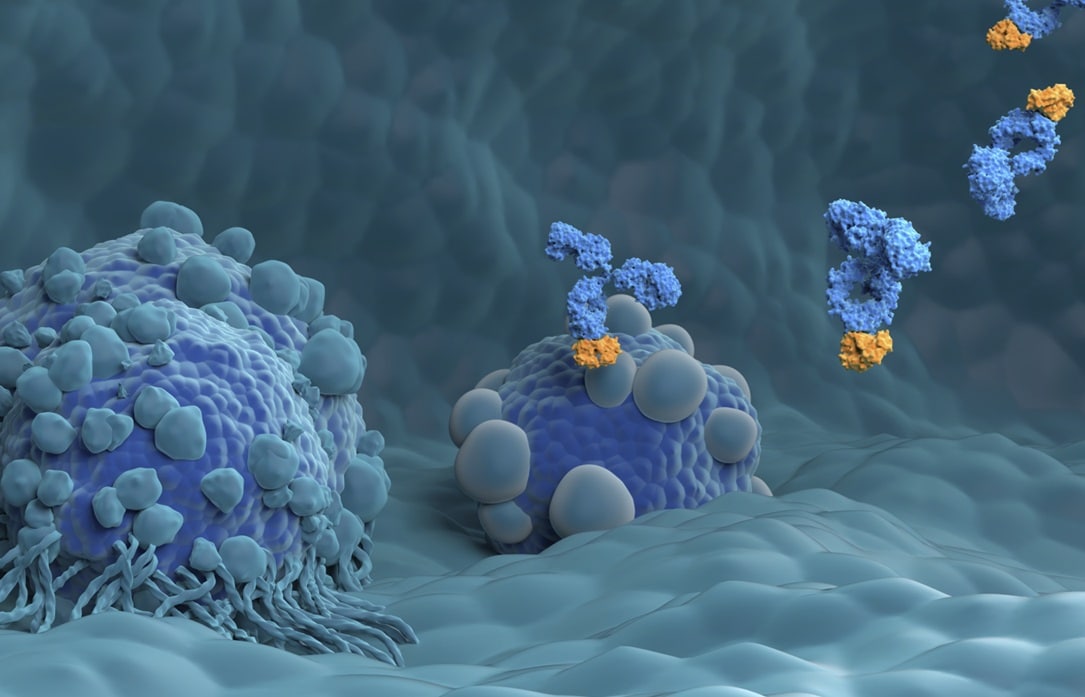
- The lock-and-key mechanism: Cancer cells and overactive autoimmune proteins leave specific “flags” or receptors on their surfaces. Monoclonal antibodies are custom-designed keys built to fit only those specific targets.
- Turning off the signal: When used as an autoimmune treatment, these antibodies bind to inflammatory proteins (like TNF-alpha or interleukins) and “turn them off.” This stops your immune system from mistakenly attacking your own healthy tissue.
- Flagging the enemy: As a modern cancer therapy, these antibodies attach directly to cancer cells. According to the National Cancer Institute (NCI), this type of cancer treatment either blocks the signals the tumor needs to grow, cuts off its blood supply or lights up the cancer cell like a neon sign so your own immune system can find and destroy it.
Because these advanced cancer therapies seek out and attach only to specific cells, they spare most of your healthy cells. This advancement is changing the landscape of modern medicine. In both oncology and rheumatology, boosting or regulating your immune response plays an important role in achieving long-term remission.
Conditions treated with biologics and monoclonal antibodies
Because these therapies are so versatile, they are used to treat a wide array of complex conditions. At our practice, we utilize them to manage several categories of illness:
- Autoimmune diseases: These include chronic inflammatory conditions in which the immune system mistakenly attacks healthy tissue, such as rheumatoid arthritis, Crohn’s disease, ulcerative colitis, lupus and severe psoriasis.
- Cancers and blood disorders: These include solid tumors like breast cancer, lung cancer and colorectal cancer, as well as blood cancers such as lymphoma, leukemia and multiple myeloma.
- Osteoporosis and bone loss: This includes severe postmenopausal osteoporosis, steroid-induced bone loss and treatment-related bone thinning caused by certain oncology therapies. Advanced monoclonal antibodies help stop bone breakdown and significantly lower fracture risks.
Day-of workflow: What to expect
Walking into a clinic for a new treatment can feel overwhelming. We have designed our clinic as a warm, supportive haven rather than a rigid medical facility. Here is exactly how your first day will unfold:
1. Check-in and personalized prep
When you arrive, our friendly front-desk team will welcome you and get you settled. A specialized nurse will escort you back to our comfortable, light-filled infusion suite. We will check your vital signs (blood pressure, heart rate and temperature) and place a small, gentle IV or access your port.
2. The protective shield: pre-medications
Before your actual therapeutic drug begins, we often administer “pre-meds.” These are preventative medications – such as standard antihistamines (like Benadryl), acetaminophen (Tylenol) or mild steroids – given about 30 to 60 minutes before your therapy.
- Their purpose: They create a protective shield in your body, significantly reducing the risk of minor infusion reactions like chills, flushing or itchy skin.
- Bonus benefit: They often make you feel a bit sleepy and relaxed!
3. The main infusion
Once your pre-meds have taken effect, your nurse will start the biologic or monoclonal antibody infusion. Because these are complex proteins, we administer them slowly and precisely using specialized infusion pumps. Your nurse will check on you frequently to ensure you are entirely comfortable. You can read, watch a movie, log on to our Wi-Fi or simply rest in our reclining chairs.
4. The observation window
After the medication finishes, we don’t rush you out the door. We initiate a dedicated observation period – typically lasting anywhere from 30 minutes to an hour, depending on your specific drug protocol. This gives our clinical team time to monitor your vitals one last time and ensure your body has completely tolerated the therapy before you head home.
Reducing your anxiety: Tips for your visit
Knowledge is power, but comfort is peace of mind. Here are a few quick tips to make your appointment feel like a breeze:
- Dress for comfort: Wear loose, layered clothing. Infusion rooms can fluctuate in temperature, and loose sleeves make it easier to check blood pressure and manage IV lines.
- Bring a comfort item: Pack a favorite book, a tablet with downloaded shows, noise-canceling headphones or a comforting blanket.
- Stay hydrated: Drink plenty of water the day before and the morning of your treatment to help make it easier to find your veins.
- Utilize our on-site experts: Our practice features a certified on-site clinical lab and a dedicated in-house pharmacy. Therefore, your treatments are mixed precisely for you right here. If you have questions about your specific dose, our clinical pharmacists and physicians are just a few steps away and happy to chat.
Your partner for monoclonal antibody treatment
It is okay to feel nervous, but you do not have to carry that weight alone. Every member of our team is dedicated to treating you, not just your condition. By combining world-class, cutting-edge science with the gentle, personalized touch of a local private practice, we ensure you always have a safe space to heal.
If you have questions for yourself or a loved one about an upcoming targeted therapy session or want to explore our personalized care models close to home in the Triangle, please contact our Infusion Center team today. We are here to guide you through every single step.