


Understanding Clots: When to See a Hematologist for Blood Clots
Finding out you have a blood clot can be incredibly scary. Knowing when to rush to the emergency room (ER) and when to follow up with a specialized hematologist for blood clots is the key to a safe recovery.
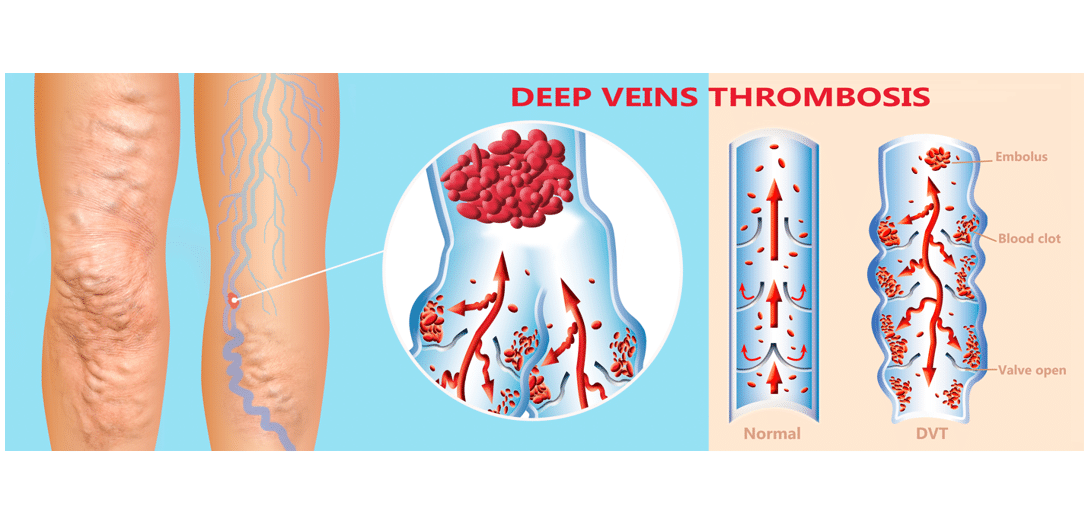
While “blood clot” is a broad term for any clump of blood cells that forms in your body, a deep vein thrombosis (DVT) is a specific and dangerous type. A DVT happens when a clot forms deep inside your major veins, usually in your lower leg, thigh or pelvis. (To learn more about how these form, review our six essential facts about deep vein thrombosis.)
This clotting can create a serious issue by blocking blood flow back to your heart. Because these deep veins are surrounded by moving muscle, the clot can break loose, travel to your lungs and cause a life-threatening emergency called a pulmonary embolism (PE). Every year, hundreds of thousands of people across the United States deal with this painful condition.
It is helpful to know that while a clot in an artery can cause a heart attack or stroke, a vein clot, like a DVT, behaves differently and requires unique care. Knowing when to rush to the emergency room (ER) and when to follow up with a specialized hematologist for blood clots is the key to a safe recovery.
The acute crisis: When to go straight to the emergency room
A brand-new DVT or a clot that has moved to your lungs needs immediate emergency medical attention. The ER is equipped to perform rapid imaging scans and provide immediate medications to stop the clot from growing and prevent further damage.
According to patient safety guidelines from the Centers for Disease Control and Prevention (CDC), you must skip the clinic and go straight to the nearest ER if you experience any of these emergency warning signs:
- Sudden shortness of breath or having a hard time catching your breath
- Sharp chest pain that worsens with coughing or deep breathing
- A racing heart rate along with sudden dizziness, lightheadedness or fainting
- Coughing up blood
- Severe swelling, redness and warmth that develops quickly in just one leg
The main goal of the ER team is crisis management. They focus on protecting your lungs, ensuring you are stable and starting your first few weeks on prescription blood thinners.
Long-term recovery: Seeing a hematologist for blood clots
Once the emergency room addresses the immediate danger and discharges you, your care should shift to an outpatient specialist. A hematologist is a doctor who specializes in blood disorders.
While an ER doctor puts out the immediate fire, a hematologist serves as the investigator. They find out why the clot formed in the first place and work to protect your health for the rest of your life.
1. Figuring out how long you need medication
To manage your condition, your doctor will prescribe an anticoagulant, a prescription blood thinner that helps prevent future clots. These medications are a lifesaver, but they are not one-size-fits-all prescriptions.
Your hematologist will determine how many months you need to stay on the blood thinners. They do this by balancing your risk of getting another clot against your risk of bleeding.
Official guidelines from the American Society of Hematology (ASH) break this timeline down into two categories:
- Clots with a clear cause: If your deep vein thrombosis was triggered by something temporary – like a recent major surgery, a bad injury or being stuck in a hospital bed – your risk of developing another one is low once you heal. In these cases, doctors usually recommend taking blood thinners for just 3 to 6 months.
- Clots out of nowhere: If your clot developed spontaneously without any obvious trigger, the risk of it coming back is much higher. For these patients, hematologists often recommend staying on blood thinners indefinitely.
2. Checking for inherited clotting issues
Many patients immediately want to run genetic blood tests to find out “why” they got a clot. A genetic tendency to clot too easily is called thrombophilia.
However, your specialist must time these tests perfectly. Running these panels while you are actively taking blood thinners can skew the results.
In fact, the American Society of Hematology Clinical Practice Guidelines point out that routine genetic testing is actually discouraged right after a first unprovoked clot. Because a clot with no clear cause already means you should probably stay on blood thinners, knowing your genetic status rarely changes your immediate treatment plan anyway.
A specialist will save these tests for unique situations, such as helping a woman plan a safe pregnancy or checking family members who might be at risk.
3. Preventing chronic leg damage
Even after a clot stops growing, it can leave behind permanent damage to the tiny valves inside your veins. This can lead to a long-term condition called post-thrombotic syndrome (PTS).
According to research from the Journal of the American Heart Association (JAHA), PTS affects nearly half of all DVT patients within two years of their diagnosis. Symptoms include chronic leg pain, swelling that will not go away, a heavy feeling and skin sores.
A hematologist monitors you closely for early signs of damage and can prescribe medical-grade compression stockings to help your blood flow properly.
Lifestyle safety and moving forward securely
Living with a history of blood clots means making a few small, smart adjustments to your daily life. While blood thinners are lifesavers, they do have a few side effects – primarily making you bruise and bleed much more easily. If you are at a high risk for clots, you should follow these basic safety rules:
- Avoid injuries: Because your blood cannot clot quickly, minor falls or cuts can cause heavy bleeding. Avoid contact sports, wear a helmet when riding a bike and use a soft toothbrush to protect your gums.
- Keep moving during long trips: Sitting still for hours causes blood to pool in your legs. If you travel by plane or car for more than a few hours, wear compression socks and stretch, walk around or flex your calves every hour or two.
- Never skip medication: Take your blood thinners exactly as your doctor told you to every single day. Stopping your medication early without a hematologist’s approval drastically raises your risk of getting another dangerous clot.
By understanding when a clot requires the speed of the ER and when it requires the long-term expertise of a specialist, you can recover safely and move forward with total confidence.
It’s important to understand when a clot requires the speed of the ER vs. the long-term expertise of a specialized hematologist for blood clots. Know the difference so you can recover safely and move forward with total confidence.
Take control of your clotting disorder
If you have recently been diagnosed with a blood clot, left the emergency room or received a referral from your primary care doctor, don’t leave your vascular health to chance. Partnering with a specialized hematologist for blood clots is the safest way to customize your medication plan, run tests and protect your long-term wellness.
Schedule a consultation with our dedicated hematology team today and take your next step toward a confident, worry-free recovery.