


Are Osteoporosis Infusions Right for You?
Infusions for osteoporosis can be an effective alternative to daily or weekly oral medications. Doctors may prescribe infusion therapy for patients who cannot tolerate oral medications or have a particularly high risk of developing bone fractures.
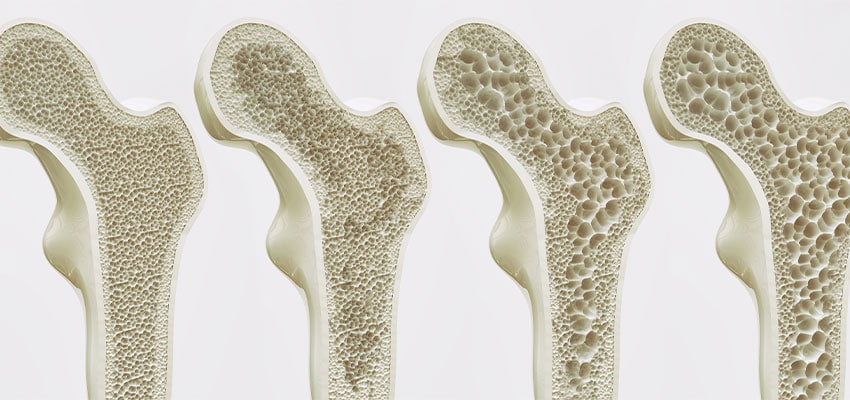
As you grow older, your bones break down. They can rebuild themselves, but growth does not always keep pace with deterioration. As a result, the bones become weaker. Osteoporosis occurs when bones break down faster than they can rebuild.
There is no cure for osteoporosis, but you can slow it down. You might even stop it with osteoporosis infusion or injectable medications.
How do you treat osteoporosis?
Osteoporosis has been diagnosed and treated in different ways since the 1970s. There have been significant advances – from fracture epidemiology to bone density measurements. Advancements have also been made in the intravenous infusion therapies available to prevent and treat this condition.
Maintaining a healthy diet and exercising can help prevent bone loss and reduce the risk of fractures. However, lifestyle changes are not always enough. Many people must consider medications to effectively treat bone density loss. Medical treatments for osteoporosis aim to rebuild bones and prevent further bone loss.
When are osteoporosis infusions a good choice?
Doctors can treat a variety of conditions, including osteoporosis, with medical infusions. Infusion therapy involves administering the medication into a patient’s bloodstream through a needle or catheter. This is most commonly done intravenously – with an IV.
Your doctor will consider a number of factors when recommending infusions for osteoporosis. They will take into account the patient’s bone density, age, gender, other medical conditions, overall health and prior treatment history.
Infusions are a good option when patients are intolerant of oral medications. Furthermore, some patients opt for infusion therapy because they are needed with less frequency than oral medications.
What are the most common osteoporosis medications?
Bisphosphonates
Bisphosphonates are a class of drugs used to protect bones against loss of density and reduce the risk of fractures. They are the most commonly used medications for osteoporosis treatment and prevention. Patients can take bisphosphonates by mouth or by intravenous IV infusion or injection.
As with any oral medication, there is a risk of gastrointestinal side effects, but this drug is typically well tolerated by most patients.
The most common bisphosphonates are zoledronic acid, ibandronate, alendronate and risedronate.
- Zoledronic acid is taken annually through an IV.
- Ibandronate is a pill taken monthly or through an IV every three months. It is often prescribed for postmenopausal women.
- Alendronate is a pill taken weekly.
- Risedronate is a pill taken daily, weekly or monthly.
Denosumab
This drug slows bone breakdown and helps reduce the risk of all major fracture types. It is also used to increase bone mass for patients with specific types of cancer. Furthermore, it is often given to patients who cannot tolerate bisphosphonates, as well as those with kidney impairment.
Denosumab is administered every six months via subcutaneous injection. Common side effects may include muscle, bone, and joint pain; back pain; and extremity pain. Patients may also experience headaches and skin irritation. Serious risks include osteonecrosis of the jaw, atypical femoral fractures, severe hypocalcemia and an increased risk of infection.
Denosumab can also lower the amount of calcium in your body. Therefore, it’s critical to maintain high vitamin D and calcium levels when taking this medication.
Romosozumab
Romosozumab strengthens bones by targeting a specific protein called sclerostin. That protein regulates the breakdown of bones and their repair. Patients take monthly injections for one year, with each dose consisting of two injections.
Women who have gone through menopause may receive this medication. It is also prescribed to those who have tried other osteoporosis treatments but stopped due to a lack of effectiveness or severe side effects.
Hormone replacement
Traditional hormone replacement therapies (HRT), including estrogen and progesterone, can be highly effective in preventing and managing osteoporosis in postmenopausal women. Women who receive HRT usually have other common hormone symptoms such as hot flashes, hair loss and moderate weight gain. HRT can be given in the form of pills, patches, injections and creams.
Consult with your doctor regarding side effects
Most osteoporosis drugs pose the risk of side effects, including flu-like symptoms (fever, chills, bone and joint pain), headaches and fatigue. More severe risks are rare but should be discussed with your physician. These may include developing osteonecrosis of the jaw or experiencing atypical femoral fractures.
The possible side effects of hormone therapy are headaches, breast tenderness, skin irritation, weight gain, premenstrual syndrome, menstrual bleeding and depression. To help reduce the side effects, try experimenting with doses and regimens.
Despite side effects, most osteoporosis medications are well tolerated. They’re also very effective at improving bone health.
Always talk with your healthcare professional and take precautions when using osteoporosis medications. Osteoporosis infusions can preserve bone strength, improve bone mineral density and prevent fractures. Medications can also reduce the rate of broken bones and/or help speed up the process of building denser bones. Both aim to strengthen your bones and reduce the risk of fractures.
Osteoporosis infusions in Raleigh-Durham
Medication management is a lot to think about. Having a doctor who makes you feel confident and comfortable is crucial. There are many options for osteoporosis infusion treatment, and one of them is right for you.
Our dedicated Infusion Center offers a safe and relaxing environment for infusion therapy. For more information, please contact us today!